
Ever wonder why so many people launch businesses from their kitchen tables in 2026? Recent data shows over 20 low-cost startup ideas under $5,000 pull in real traction. Remote work and economic squeezes make them hot choices for quick cash without big risks.
These setups use skills you already have, plus a laptop or phone. No loans or warehouses needed. You start small and scale as customers roll in.
Low-cost startups mean businesses with startup costs below $5,000. They rely on free apps, the internet, and hustle. People love them because they offer low risk and fast launches, perfect for side gigs amid high living costs.
In this post, you’ll see what defines them, top picks by industry, why they boom now with fresh stats, and easy steps to jump in. Let’s break it down.
What Makes a Startup Truly Low-Cost and Easy to Launch
Low-cost startups share simple traits. They cap expenses at under $5,000. Most use free tools like Google Workspace, Canva, or Zoom. No stockpile of goods or leased offices required.
You tap personal skills instead. A writer needs just a laptop. A tutor uses video calls. This keeps things lean.
High-cost ventures differ a lot. Restaurants often demand $100,000 plus for gear, rent, and staff. Failures hit hard there. Low-cost paths let you test fast and quit if needed.
Benefits stack up. You face less debt. Profits come quicker. Flexibility fits busy lives.
For example, freelance writing starts under $1,000. Buy a domain and pitch clients. Dropshipping runs below $3,000 with ads and a store builder.
Here’s a quick comparison of costs and ease:
| Startup Type | Estimated Cost | Key Tools Needed | Time to First Client |
|---|---|---|---|
| Freelance Writing | <$1,000 | Laptop, Grammarly (free) | 1-2 weeks |
| Dropshipping | <$3,000 | Shopify ($29/mo), ads | 2-4 weeks |
| Virtual Assistant | <$1,500 | Phone, Zoom, calendar | 1 week |
| Pet Sitting | <$500 | Apps like Rover | Days |
This table shows how they beat traditional setups. You launch in weeks, not months. Check out 2026 business ideas under $5K from NCH for more examples.

In short, low-cost means accessible. Anyone with drive can join.
Top Low-Cost Startup Ideas Winning Big in 2026
Proven ideas dominate in 2026. They fit under $5K and match trends like AI helpers and niche demands. Let’s group them by type.
Digital Freelance Gigs You Can Start from Home Today
Freelance surges ahead. Platforms hit $5.97 billion this year, with Upwork grabbing 61% share. Businesses outsource to save.
Start freelance writing or editing for under $1,000. Use your laptop and free tools. Pitch on Upwork or Fiverr. Demand grows 18.6% yearly.
Social media management costs about $2,000. Learn Canva and schedulers. Small brands need posts and ads. Earnings hit $50/hour fast.
Virtual assistants handle emails and bookings for $1,500 max. Remote work fuels this; VAs thrive as nomads. See virtual assistant trends for demand spikes.
TikTok creators or video editors need near $0. Phone apps edit clips. Brands pay for short content. Quick wins come via gigs.

These gigs scale with clients. Many hit $3,000/month in months.
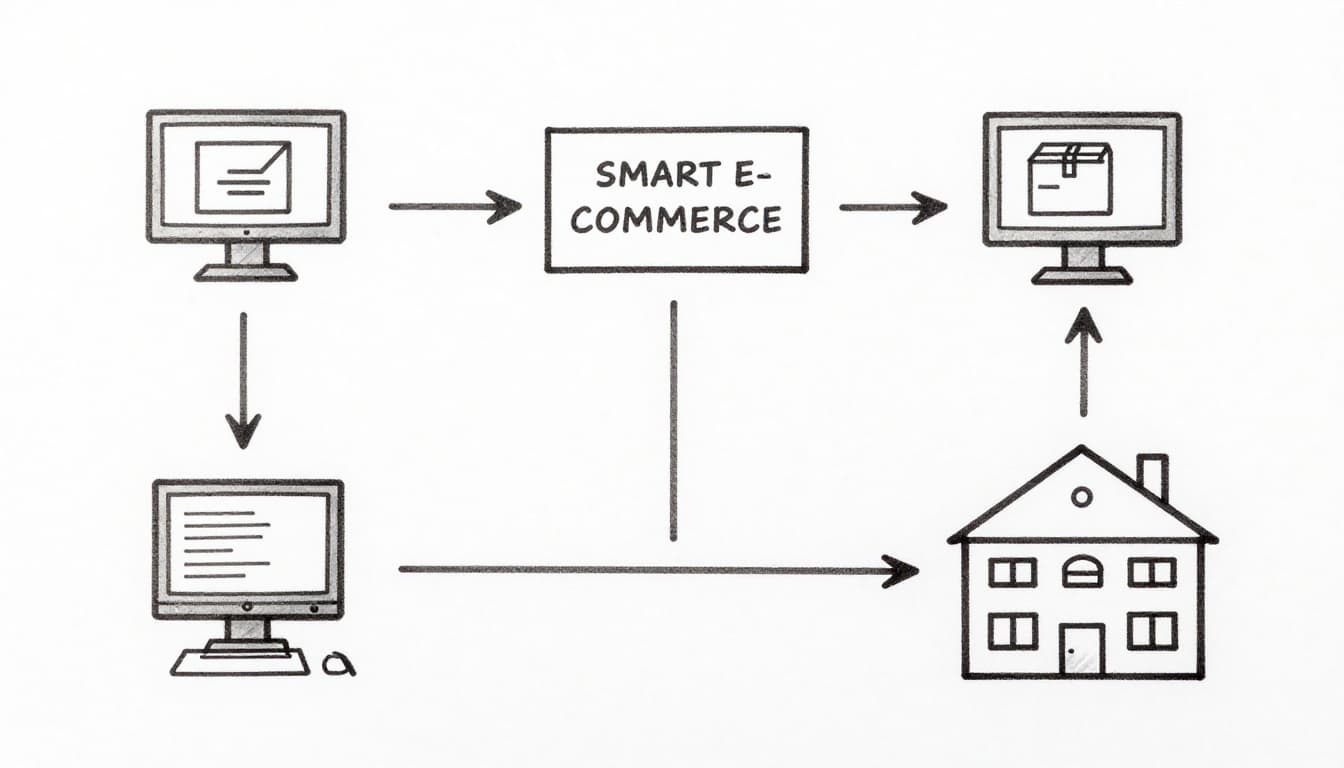
Smart E-Commerce Plays with Zero Inventory Risk
E-commerce booms. Dropshipping leads with no stock hassles.
Set up dropshipping for $3,000. Suppliers ship direct. Use Shopify and Facebook ads. Stats show 69% margins on average.
Etsy handmade crafts cost $2,000-$4,000. Sell prints or jewelry. Niche in keto or vegan fits trends.
Reselling thrifts online stays low-cost. Flip items on eBay. No big buys needed upfront. Check dropshipping stats for 2026 to see growth.
Scale to big revenue. Many reach seven figures.
Local Services Meeting Everyday Community Needs
Local needs persist. Pop-up food carts hit $5,000 max. Get basic licenses. Serve keto meals; demand rises.
Grocery delivery uses your car. Apps connect you. Minimal costs, quick pay.
Pet sitting or dog walking costs under $500. Use Rover. Pet travel booms, so walks pay $20/hour.

Repeat clients build steady income.
Turn Your Expertise into Consulting or Tutoring Gold
Tutoring via Zoom costs $0. Teach math, music, or cooking. Parents seek help; sessions pay $30/hour.
Consultants in SEO, IT, or finance start low. Advise businesses remotely. They skip full hires.
Niches like waste reduction draw clients. Use skills for repeat work.
Why These Low-Cost Ideas Are Exploding in Popularity Right Now
Minimal risk drives the boom. No loans amid high costs. You test without ruin.
Remote work expands options. 36% of Americans run side hustles, earning $885 average monthly. See side hustle stats.
E-commerce and services grow fast. Cleaning hits $734 billion by 2032. AI cuts setup time.
Side income appeals. Creator economy pays millions. 20-45 scalable ideas exist.
Flexibility wins. Hustle from home. Quick profits motivate.
Low-cost paths fit economic pressures perfectly.
Trends like niches boost them. Everyone chases extra cash now.
Your Simple Roadmap to Launch a Low-Cost Startup Success
Pick an idea that matches your skills. List what you know. Match to demands like VA work.
Research rules and rivals. Check local licenses. Scout competitors online.
Set up basics. Grab free website tiers on WordPress. Add apps like Stripe.
Land first clients. Post on social media. Use marketplaces like Upwork.
Scale smart. Track earnings weekly. Add services as you grow. AI tools help with marketing.
Start small to avoid overload.

You can succeed fast. Millions do.
Low-cost startups under $5K offer real paths forward. They use skills and free tools for quick wins. Popularity stems from low risk, remote trends, and side hustle needs.
Pick one idea today. Launch this week. Free platforms wait.
What holds you back? Start small and watch it grow.